A Print Materials Guide for Architects & Interior Designers
From a client presentation board to a material mock-up to the finished building's wayfinding signage, each stage of a design project calls for a different print material. Here is how to match the two.
Printing for Presentation, Not Just Signage
Architects and interior designers use large-format printing differently from most clients: presentation boards that need to look polished in a client meeting, material mock-ups that need to represent a real finish accurately, and eventually the wayfinding or feature signage that goes into the finished project itself. Each of these calls for a different material and process.
Materials by Application
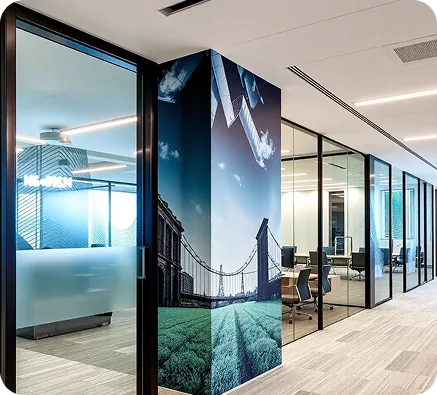
| Application | Recommended Material | Why |
|---|---|---|
| Client Presentation Boards | Foam board or rigid mount | Clean, lightweight, easy to carry and display |
| Material / Finish Mock-Ups | UV flat-bed on acrylic, wood, or metal | Prints directly onto the actual material being specified |
| Large Concept Renders | HP Latex on photo-grade media | Accurate colour, indoor-safe, no odour |
| Site Hoardings | Eco-solvent on flex vinyl | Weatherproof for construction site duration |
| Finished-Project Wayfinding | ACP, acrylic, or metal per signage materials guide | Matches the building's permanent finish requirements |
Presentation Boards That Hold Up in a Client Meeting
A rendered concept printed on flimsy paper undercuts the work behind it. Mounting renders on foam board or a rigid substrate gives presentations a professional weight and finish, and boards can be produced at whatever size suits the meeting, from a handheld A2 to a large pinned-up concept board.
Mock-Ups That Print Directly Onto the Real Material
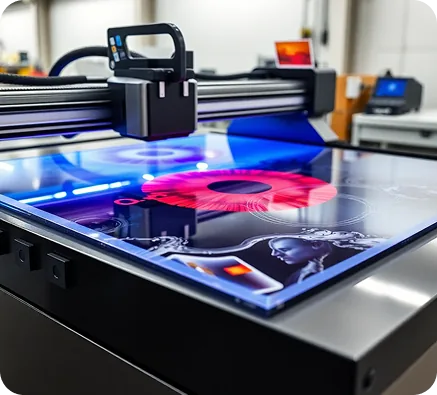
UV flat-bed printing can put a finish, pattern, or branding sample directly onto acrylic, wood, or metal, which means a client can see and touch the actual proposed material with the actual proposed graphic on it, rather than approving a rendering and hoping the physical result matches. This is particularly useful for feature walls, signage concepts, and branded material selections.
From Concept to Construction Site to Finished Building
The same relationship can carry a project from early concept boards through to a weatherproof site hoarding during construction, and finally to the permanent wayfinding and signage installed once the building is complete. Working with one printing partner across these stages keeps colour, material knowledge, and file specifications consistent from first presentation to final installation.
Working With Us on a Project
- Send files in your working format. We can work from standard architectural and design file exports without extensive reformatting.
- Ask for a material sample before a large run. Especially useful for UV flat-bed mock-ups where the client will see the physical piece.
- Plan hoarding and signage timelines around construction milestones. Site hoardings and wayfinding often have hard deadlines tied to site handover.
See more on our architectural applications page, our UV flat-bed printing process, and view past projects in our portfolio.
FAQ( 01 )
Yes, UV flat-bed printing puts ink directly onto rigid materials like acrylic, wood, and metal, so a client can see the actual proposed finish rather than just a rendering.
Mounting renders on foam board or another rigid substrate gives presentations a professional, polished weight compared to loose printed sheets.
Yes, eco-solvent printing on flex vinyl is well suited to site hoardings, since it is built to withstand outdoor exposure for the duration of construction.
Yes, we can work from standard architectural and design file exports without requiring extensive reformatting on your end.
Yes, staying with one partner across concept boards, mock-ups, site hoardings, and final wayfinding keeps colour and material knowledge consistent throughout the project.
The right choice depends on the building's finish requirements, but ACP, acrylic, or metal are the most common options -- see our signage materials guide for a full comparison.