UV Flat Bed Printing
Revolutionary UV flat bed printing technology that transforms any surface into a canvas for your creativity. Where innovation meets precision in every square inch.

( 01 )About
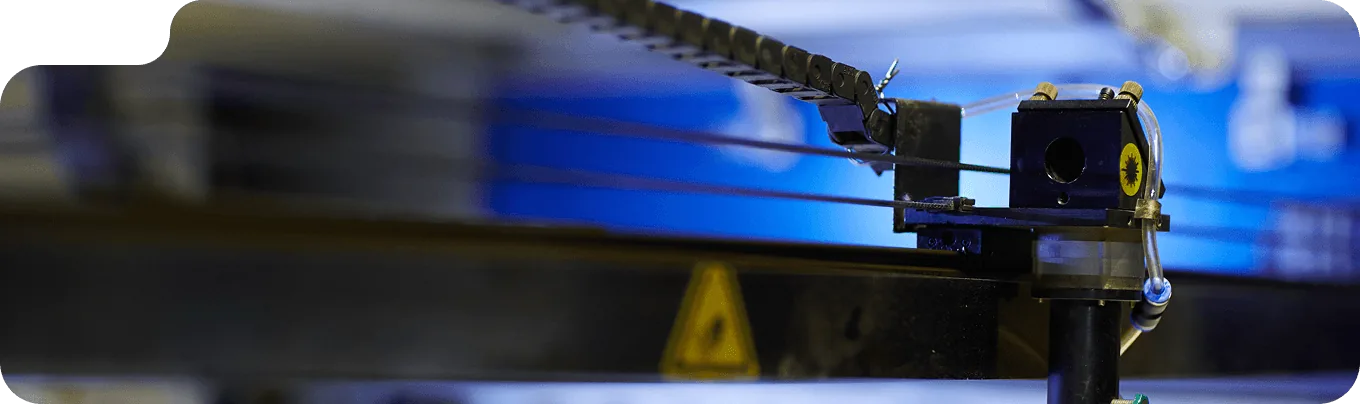
We offer UV flatbed printing, a cutting-edge technology that instantly cures inks on rigid surfaces. From glass and metal to wood and plastic, our prints deliver vibrant colors, durable finishes, and long-lasting performance perfect for architectural signage, retail displays, and custom decorative elements.
( 02 )Our UV Flat Bed Solutions
We offer a comprehensive range of UV flat bed printing services designed to transform any surface into a stunning visual masterpiece with precision and innovation.

Glass Printing
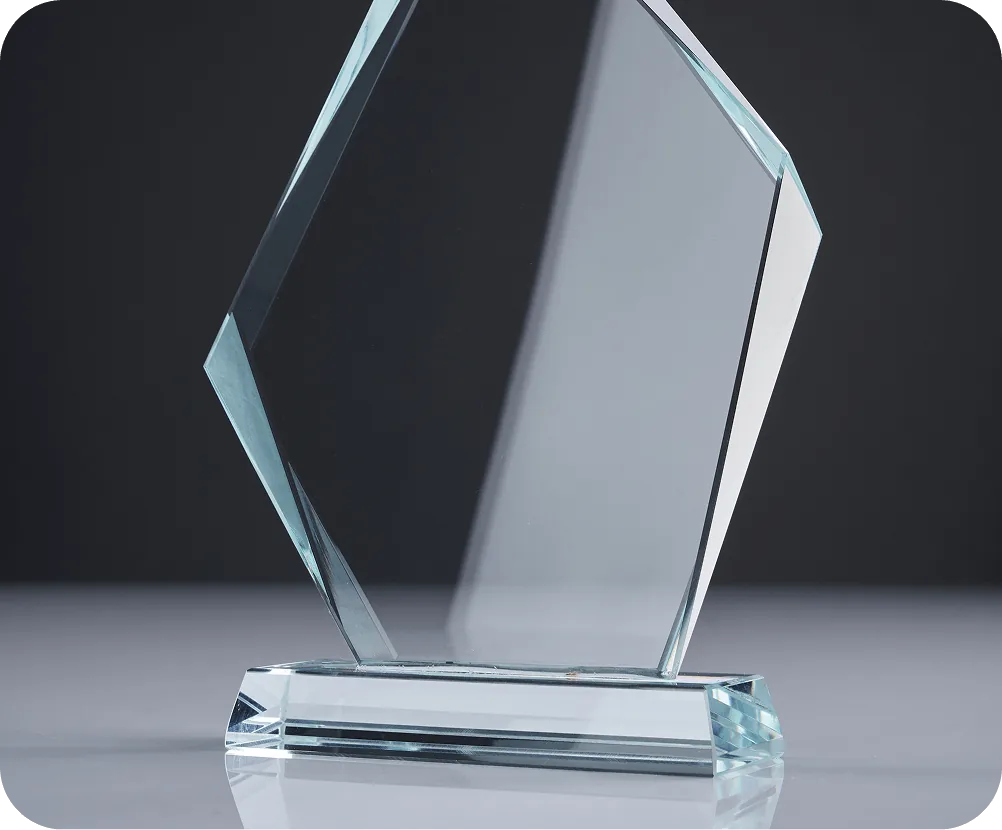
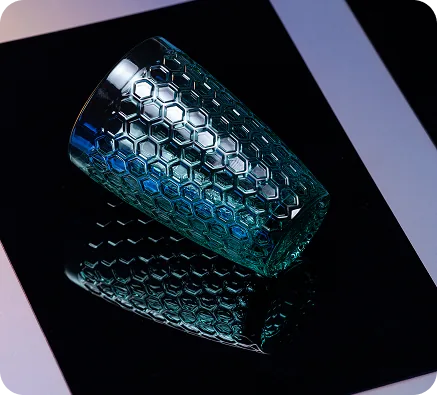
We provide high-quality UV flatbed glass printing, delivering vibrant, durable prints with perfect clarity. Our solutions offer high-resolution details, excellent adhesion, transparent and opaque finishes, weather-resistant inks, and custom sizing for any project.

Metal Printing
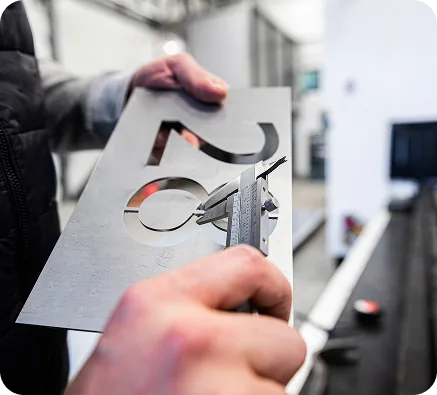
We offer high-quality UV flatbed metal printing on aluminum, steel, brass, and other metal surfaces. Our prints feature vibrant, durable colors, superior adhesion, industrial-grade finishes, custom sizing, and instant curing for immediate handling.
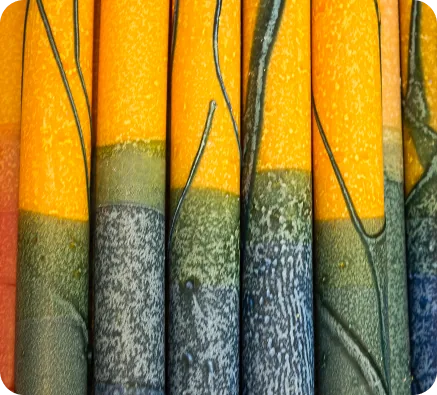

Acrylic Printing
We provide high-quality UV flatbed glass printing, delivering vibrant, durable prints with perfect clarity. Our solutions offer high-resolution details, excellent adhesion, transparent and opaque finishes, weather-resistant inks, and custom sizing for any project.
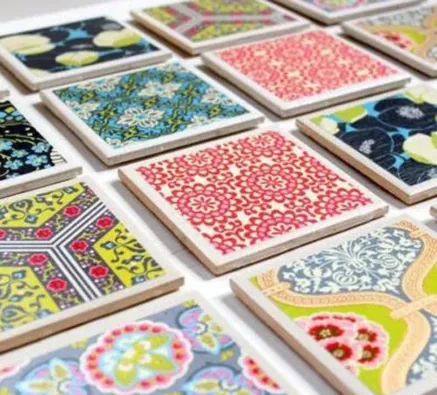
Ceramic Tile Printing
We provide custom UV flatbed ceramic tile printing for architectural and decorative applications. Our vibrant, durable prints resist moisture, heat, and daily wear, offering high-resolution designs, custom sizing, and long-lasting finishes for kitchens, bathrooms, and unique installations.
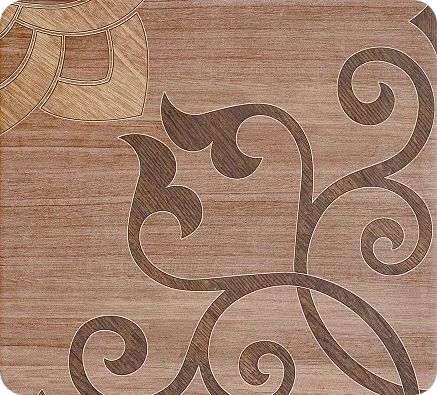

Wood Printing
We offer UV flatbed wood printing that enhances natural grain and texture while delivering vibrant, durable results. Ideal for furniture, decorative panels, and architectural elements, our prints feature custom sizing, indoor/outdoor durability, and finishes that protect and preserve the beauty of wood.
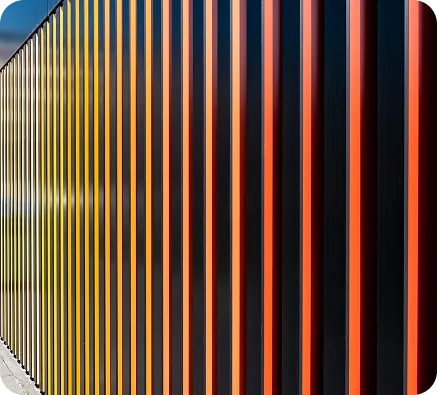
ACP Panels
We provide high-quality UV flatbed printing on aluminum composite panels for architectural and signage applications. Our prints deliver vibrant colors, excellent adhesion, weather-resistant finishes, custom sizing, and durable UV-cured inks for long-term performance.

Sunboards
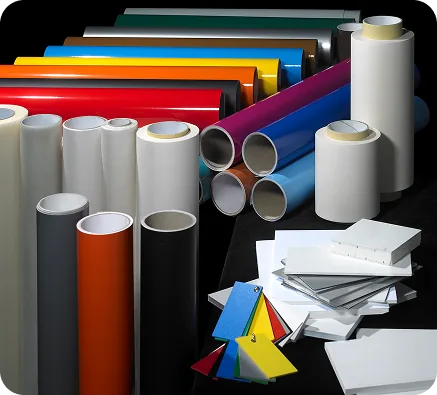
We offer UV flatbed sunboard printing that’s affordable, vibrant, and reliable—perfect for temporary signage, displays, and promotional materials. With custom sizing, quick turnaround, and durable finishes, our sunboard prints deliver high impact at a cost-effective price.

Lamination Sheets
We provide high-quality UV flatbed laminate sheet printing for furniture, interior design, and decorative applications. Our prints deliver vibrant colors, excellent adhesion, custom sizing, and durable, professional finishes that enhance the appearance of laminate surfaces.
( 02 )Why Choose UV Flatbed Printing?

Direct to Surface Printing
Our UV flatbed printing technology allows us to print directly onto virtually any rigid surface without the need for traditional substrates or mounting materials. This streamlined process not only saves time and reduces production costs but also enables greater design flexibility, precise alignment, and professional-quality results on materials such as glass, metal, wood, ceramic, and acrylic.

Instant Curing Technology
Our UV printing technology instantly cures inks using ultraviolet light, allowing prints to be handled and installed immediately without any drying time or waiting periods. This ensures faster project turnaround, precise color retention, and durable, professional-quality finishes suitable for a wide range of applications, from signage and displays to decorative and architectural elements.

Vibrant Color Reproduction
Our advanced UV technology delivers stunning, true-to-life colors that make every design pop, capturing attention on any surface. Whether printing on rigid or flexible materials, this technology ensures vibrant, precise, and long-lasting results that enhance the impact of your visuals across signage, décor, displays, and custom applications.
How UV Flatbed Compares to Other Processes
UV flatbed's defining strength is rigid, direct-to-surface printing - it is the process to choose whenever the finished piece is the material itself (a printed glass panel, a printed wood sign, a printed metal plate) rather than a flexible graphic meant to be applied or hung. Eco-solvent and HP Latex printing are built for flexible roll materials like vinyl and fabric - they cannot print directly onto a rigid acrylic sheet or a metal panel the way a flatbed press can. UV roll-to-roll shares the same instant-cure UV ink chemistry as UV flatbed but runs it through a roll-fed press instead, so it is the better fit when the substrate is flexible (banners, window film, backlit film) rather than rigid. If your project involves glass, metal, wood, acrylic, or a similar hard material, flatbed is almost always the right call; if it is a roll of vinyl or fabric, roll-to-roll or eco-solvent takes over.
What Matters for a Flatbed Job
Substrate thickness and flatness are the two biggest practical constraints on a flatbed press - the material needs to sit flat and within the bed's clearance height, which rules out heavily warped or excessively thick stock but comfortably covers everything from thin acrylic sheets to substantial wood panels. On the file side, artwork should be supplied at high resolution with a clear indication of which areas (if any) need a white ink underbase, since that decision changes how the file is separated before printing. Finish options - matte, gloss, or a raised spot-varnish texture - are worth deciding early, since they can affect production time and, on some materials, the recommended UV lamp settings.
From Enquiry to Delivery
A UV flatbed job starts with the material and the end use - indoor decor, outdoor signage, retail display - since that decision shapes everything downstream, from whether a white base layer is needed to what finish makes sense. From there we confirm substrate size and thickness, review the artwork file, and run the piece through the flatbed press, where the print cures in place as it's produced. Because there's no drying wait, finished pieces typically move to packing or installation faster than solvent-printed work of comparable size. For pricing or to start a project, reach out through the "Get a Quote" feature, email info@dazzlecreation.in, or call +91 98801 91471.
See how UV flat-bed compares to our other processes in our printing methods comparison guide, and browse our signage materials guide for substrate options this process supports.
UV flatbed is what makes direct printing onto acrylic and ACP panels possible — see our acrylic signage guide and ACP board signage guide for material options.
FAQ( 03 )
UV flatbed printing is best for rigid, direct-to-surface jobs - printing straight onto glass, metal, wood, acrylic, ceramic tile, ACP panels, or sunboard - where the material itself becomes the finished piece rather than being printed on vinyl and mounted afterward. It suits signage, decor, and displays that need a hard, durable substrate.
Eco-solvent and HP Latex print onto flexible roll materials like vinyl and fabric, while UV flatbed prints directly onto rigid sheets and panels held flat on a bed - its the only one of the three that can put ink straight onto glass, metal, or wood. UV flatbed ink also cures instantly under UV light rather than air-drying or solvent-evaporating.
Yes - glass and metal (aluminium, steel, and brass) are two of the nine material categories we regularly print on with UV flatbed technology. Glass and other transparent or dark substrates typically get a white ink underbase first so the colour layer reads accurately.
UV-cured ink forms a hard, solid film on the surface that resists fading and holds up well both indoors and outdoors, though outdoor longevity also depends on the substrate itself - metal and acrylic panels tend to outlast wood or sunboard in sustained weather exposure. We can advise on the right material for an outdoor application.
The ink contains photoinitiators that trigger a chemical hardening reaction the moment they are exposed to UV light from a lamp built into the print head assembly, so the ink solidifies in a fraction of a second rather than needing time to air-dry or evaporate. This is why finished pieces can be handled immediately after printing.
Flatbed printing works within the press beds clearance height and requires the material to sit reasonably flat, which covers everything from thin acrylic and lamination sheets to substantial wood or ACP panels. Share your material and dimensions when requesting a quote and well confirm its within range.
Generally no - UV-cured ink is inherently durable and scratch-resistant on its own, unlike solvent prints that often benefit from a protective laminate. Some jobs still use a gloss or matte varnish for a specific look, but its a finishing choice rather than a durability requirement.
High-resolution artwork sized to the final print, with a clear note on whether any areas need a white ink underbase (for glass, dark, or transparent substrates), gives the best result. Share your file and material when requesting a quote and well flag anything that needs adjusting.
Both use the same instant-cure UV ink chemistry, but flatbed prints onto rigid, flat sheets like glass or wood held on a bed, while roll-to-roll feeds flexible material like vinyl, fabric, or film continuously through the press. The choice comes down to whether your substrate is rigid or flexible.
Use the Get a Quote feature on our website, email info@dazzlecreation.in, or call +91 98801 91471 with your material, size, and timeline, and well respond with pricing and delivery details. We serve customers across Bangalore, including Koramangala, Indiranagar, Whitefield, and Electronic City.