Banner Size & Material Guide: Picking the Right Banner for Every Use Case
The right banner size and material depend entirely on where it is going and how far away people will view it from. Here is how to get both right before you order.
Getting Banner Size and Material Right the First Time
The most common banner mistake is not the design, it is the size and material. A banner sized for a roadside view looks oversized indoors, and a lightweight indoor material will not survive a season outdoors. Here is how to match size and material to the actual use case before placing an order.
Banner Size and Material by Use Case
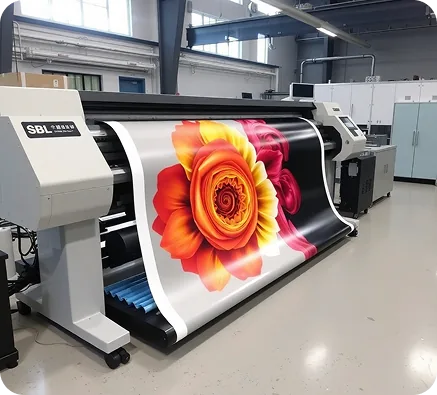
| Use Case | Typical Size Range | Recommended Material |
|---|---|---|
| Roadside / Hoarding | Large, viewed from a distance | Flex vinyl or mesh (wind-resistant) |
| Storefront Banner | Medium, sized to shopfront width | Flex vinyl |
| Indoor Event Banner | Small to medium | Fabric or flex vinyl |
| Roll-Up Standee | Standard portable size | Standee-grade flex or fabric |
| Backlit Banner | Varies, matched to light box | Backlit-grade translucent media |
| Podium / Table Banner | Small | Fabric or flex vinyl |
Sizing for Viewing Distance
The further away a banner will be viewed from, the larger the text and graphics need to be to stay legible, which usually means the banner itself needs to be larger too. A roadside hoarding read from a moving vehicle needs to be sized and designed very differently from a table banner viewed from a few feet away. When in doubt, oversize slightly rather than risk illegible text at a distance.
Material Choice: Vinyl, Mesh, and Fabric
Standard flex vinyl is the default for most banners, offering good print quality and durability at a reasonable cost. Mesh material has small perforations that let wind pass through, which matters for large outdoor banners on fences or scaffolding where a solid banner would act like a sail. Fabric banners give a premium, low-glare finish that works well for indoor events and photo backdrops.
Finishing Details That Matter
- Grommets: Metal eyelets along the edges for hanging with rope or zip ties, standard on most outdoor banners.
- Hemming: Reinforced folded edges that prevent tearing at attachment points, especially important on larger or wind-exposed banners.
- Pole pockets: Sewn channels for sliding a pole through, used for step-and-repeat backdrops and some standee formats.
For a broader look at printing options behind these products, see eco-solvent printing, and browse the full range on our event and promotional products page.
FAQ( 01 )
Mesh banner material is recommended for large outdoor banners exposed to wind, since its small perforations let wind pass through instead of catching it like a solid banner would.
Size should scale with viewing distance: a roadside banner viewed from a moving vehicle needs much larger text and graphics than one viewed up close, so it is usually best to oversize slightly.
Flex vinyl is the standard, cost-effective choice for most banners, while fabric gives a premium, low-glare finish that suits indoor events and photo backdrops.
Grommets are metal eyelets placed along a banner's edges for hanging with rope or zip ties, and they are standard on most outdoor banners that need to be tied or fixed in place.
Yes, hemming reinforces the edges and mesh material reduces wind resistance, and both can be combined for banners going up in exposed, high-wind locations.
Roll-up standees are produced in standard portable sizes designed for easy transport and quick setup, and we can advise the best size for your specific display stand.