Floor Graphics & Floor Decal Printing: Durability, Safety, and Material Guide
Floor graphics have become one of the most effective ways for businesses to communicate at the exact point where a customer's attention naturally falls — their feet. A printed floor decal can direct shoppers to a billing counter, announce a seasonal sale, mark a queue line, or reinforce a brand's presence in a mall atrium, without taking up any wall or ceiling space. Because people walk, roll carts, and sometimes spill liquids on them, floor graphics also carry safety requirements that wall or window graphics never face, which is why anti-slip performance and lamination quality matter as much as the artwork itself.
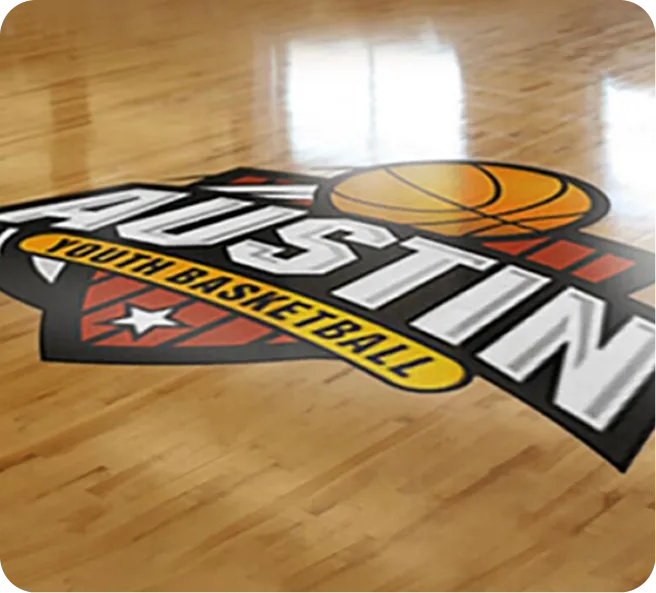
What Floor Graphics Are and How They Work
A floor graphic is essentially a printed, self-adhesive vinyl decal engineered to be walked on. A base layer of flexible PVC or calendered vinyl is printed using large-format digital printing — typically eco-solvent, UV, or latex ink — and then finished with a textured, scuff-resistant over-laminate that protects the print and provides grip underfoot. The laminate is the part that actually makes a floor graphic safe to walk on; without it, a printed vinyl surface becomes slippery very quickly, especially once it picks up dust or moisture. Most suppliers sell floor graphics as a complete pre-laminated system rather than letting a customer add lamination separately, since the two layers are calibrated to work together.
Anti-Slip Ratings and Safety Compliance
Anti-slip performance for floor graphics is usually expressed using the "R" rating scale from the DIN 51130 ramp test, a method in which a tester in cleated boots walks on an oiled ramp that is slowly tilted until they slip; the angle at which slipping occurs sets the rating. The scale runs from R9 (suitable only for consistently dry areas) through R10 and R11 (moderate resistance, acceptable for areas that are occasionally damp) up to R12 and R13 (higher resistance, intended for wet or heavily soiled conditions). R10 is the most common rating for indoor retail and office floor graphics, while R12 is often recommended for entrances, washroom approaches, or any floor graphic that may see regular wetting. It is worth noting that an R rating comes from a controlled lab test, not a real-world guarantee — wet or heavily polished floors can still be more slippery than dry conditions regardless of a decal's rating, so manufacturers generally disclaim liability for slip incidents and recommend keeping any floor graphic clean and dry as part of normal upkeep.
Materials, Lamination and the Printing Process
The underlying vinyl is usually monomeric or calendered PVC between roughly 100 and 200 microns thick, chosen for flexibility so it conforms to minor floor irregularities without cracking. Printing is done on large-format digital presses, and because floor graphics are an extension of standard vinyl signage, the same production methods used for banners and wall wraps apply — eco-solvent and UV-curable inks are common for their outdoor durability and scratch resistance, while HP Latex printing is often preferred indoors because it is water-based, low-odour, and cures quickly, which matters when a graphic needs to go down in a live retail space. Dazzle Creations, which runs eco-solvent, UV flatbed, UV roll-to-roll, and HP Latex printing for large-format work across Bangalore, applies the same print and finishing process when producing floor graphics, since the underlying vinyl, ink, and lamination requirements are consistent with its existing large-format print lines. After printing, a clear or sand-textured laminate is applied as a separate pass, and the finished sheet is die-cut or kiss-cut into the final shape before being backed with a release liner for application.
Common Uses Across Retail, Malls, Exhibitions and Public Spaces
- Retail stores and malls, for seasonal promotions, new-arrival callouts, and brand reinforcement near entrances and display zones
- Wayfinding and directional markers in malls, hospitals, airports, and large office campuses, guiding foot traffic without added signage clutter
- Exhibition stalls and trade show booths, where floor branding extends a stand's identity across the entire footprint
- Queue management and spacing markers, a use case that became especially common during social-distancing requirements and is still used for orderly queuing at counters and checkouts
- Safety and regulatory markings in warehouses and factory floors, indicating walkways, hazard zones, or equipment clearances
- Promotional campaigns for product launches, sales events, or sponsor branding at malls and commercial complexes
In a market like Bangalore, where commercial footfall is concentrated in malls, tech-park cafeterias, and high-street retail stretches across areas like Koramangala, Indiranagar, Whitefield, HSR Layout, Electronic City, Marathahalli, and Domlur, floor graphics give businesses a low-cost way to add visibility in spaces where wall or signage real estate is limited or shared with other tenants.
Durability, Lifespan and Maintenance Under Foot Traffic
Lifespan depends heavily on how much foot (and wheel) traffic a graphic sees and how well it is laminated. As a general guide, floor graphics in high-traffic zones such as store entrances or mall walkways typically last around 3 to 6 months before visible wear sets in, medium-traffic placements such as aisles or office corridors can run 6 to 12 months, and low-traffic or showroom placements can last a year or more, sometimes up to 2 to 3 years, with proper care. Indoor-only vinyl floor graphics are not UV- or weather-stable and will degrade quickly if used outdoors or exposed to direct sun and rain. To maximise lifespan, floor graphics should only go on smooth, clean, dry, non-porous surfaces — sealed concrete, tile without deep grout lines, or laminate flooring — and should be kept away from forklifts, pallet trucks, aggressive floor buffers, and sharp debris. Routine cleaning with a mild detergent and a damp mop is usually sufficient; harsh scouring or solvent-based cleaners can degrade the laminate prematurely.
Installation, Removal and Buying Considerations
Installation is a dry, squeegee-based application: the floor is cleaned and degreased, the decal is positioned carefully (since repositioning once the adhesive contacts the floor can crease the vinyl and weaken the bond), and air bubbles are worked out from the centre outward. Removal, when the time comes, is easiest within the graphic's first several months — pulling the decal at a low angle in short, steady strokes — and gets progressively harder as the adhesive cures further into older installations, sometimes leaving residue that needs an adhesive remover.
When buying floor graphics, the main decisions are the anti-slip rating needed for the location (R10 for normal indoor dry-to-occasionally-damp areas, R12 or higher for entrances and wet-prone zones), the expected traffic level and therefore how often the graphic will need replacing, the floor substrate it will be applied to, and whether the design needs to be a standard rectangle, a custom die-cut shape, or multiple pieces for a larger floor mural. Cost is driven mainly by total area, the complexity of cutting (straight-edge versus custom shapes), the lamination grade selected, and whether professional installation is included — rather than by any fixed per-piece price, since these factors vary by project.
Floor graphics are produced on the same HP Latex printing equipment we use for other interior applications; see our add-on services page for lamination and finishing options.
FAQ( 01 )
A floor graphic uses a thicker, more flexible vinyl base and is finished with a textured, scuff-resistant laminate designed for anti-slip performance under foot traffic. A regular sticker or wall decal has no anti-slip laminate and is not rated or tested for being walked on.
R10 is the standard choice for normal indoor areas that are dry to occasionally damp, such as retail aisles and office corridors. R12 or higher is recommended for entrances, washroom approaches, or any area that gets regularly wet, since higher R numbers indicate greater slip resistance in the DIN 51130 ramp test.
Lifespan depends on foot traffic: high-traffic areas typically see 3 to 6 months of useful life, medium-traffic placements can last 6 to 12 months, and low-traffic spots can last a year or more. Indoor vinyl floor graphics are not designed for outdoor weather exposure.
Standard indoor floor graphics are not weather- or UV-stable and will degrade quickly outdoors. Outdoor-rated floor graphics exist but use different, more weather-resistant films and are a separate product category from indoor retail floor decals.
Smooth, clean, dry, non-porous surfaces such as sealed concrete, tile without deep grout lines, laminate flooring, and polished hardwood work best. Unsealed or rough concrete, carpet, and dirty, oily, or wet surfaces are generally unsuitable or require special adhesive formulations.
Properly specified removable floor graphics are designed to come off cleanly within their expected lifespan, though adhesive residue can remain, especially if a graphic is left down well beyond its recommended replacement window. Any residue can usually be cleaned with a surface-safe adhesive remover.
Light foot traffic and shopping carts are generally fine, but forklifts, pallet trucks, and heavy wheeled equipment should be avoided, as repeated heavy loads and sharp edges wear through the laminate much faster than normal walking traffic.
Floor decals marking spacing distances became widely used during pandemic-era social distancing requirements and remain in use for general queue management and orderly spacing at checkout counters, ATMs, and service windows, even outside formal distancing mandates.
Dazzle Creations offers large-format printing using eco-solvent, UV flatbed, UV roll-to-roll, and HP Latex processes across Bangalore, which are the same print technologies used to produce floor graphics, making it a natural extension of its existing large-format and signage work for businesses in areas like Koramangala, Indiranagar, Whitefield, and HSR Layout.
Pricing is generally driven by total printed area, the complexity of the cut shape, the laminate grade chosen for the required anti-slip rating, and whether professional installation is included, rather than a single fixed rate, since these factors vary meaningfully from project to project.