Types of Print Media Used in Large-Format Printing:
"Print media" (or substrate) refers to the physical material an image or graphic is printed onto — and the choice of media affects everything from durability and cost to how the final print looks and feels. Here's a practical rundown of the materials we work with most.
Flex
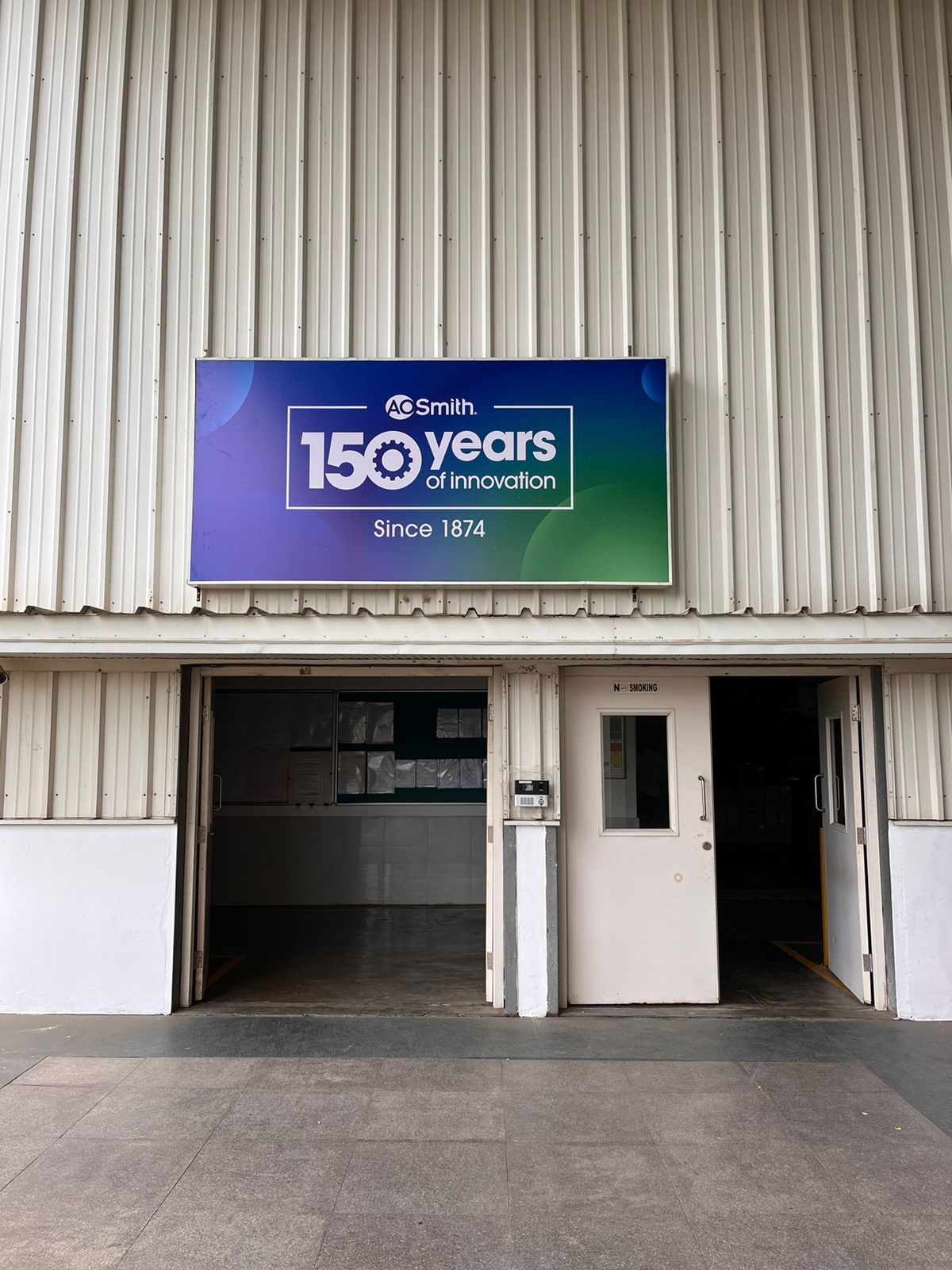
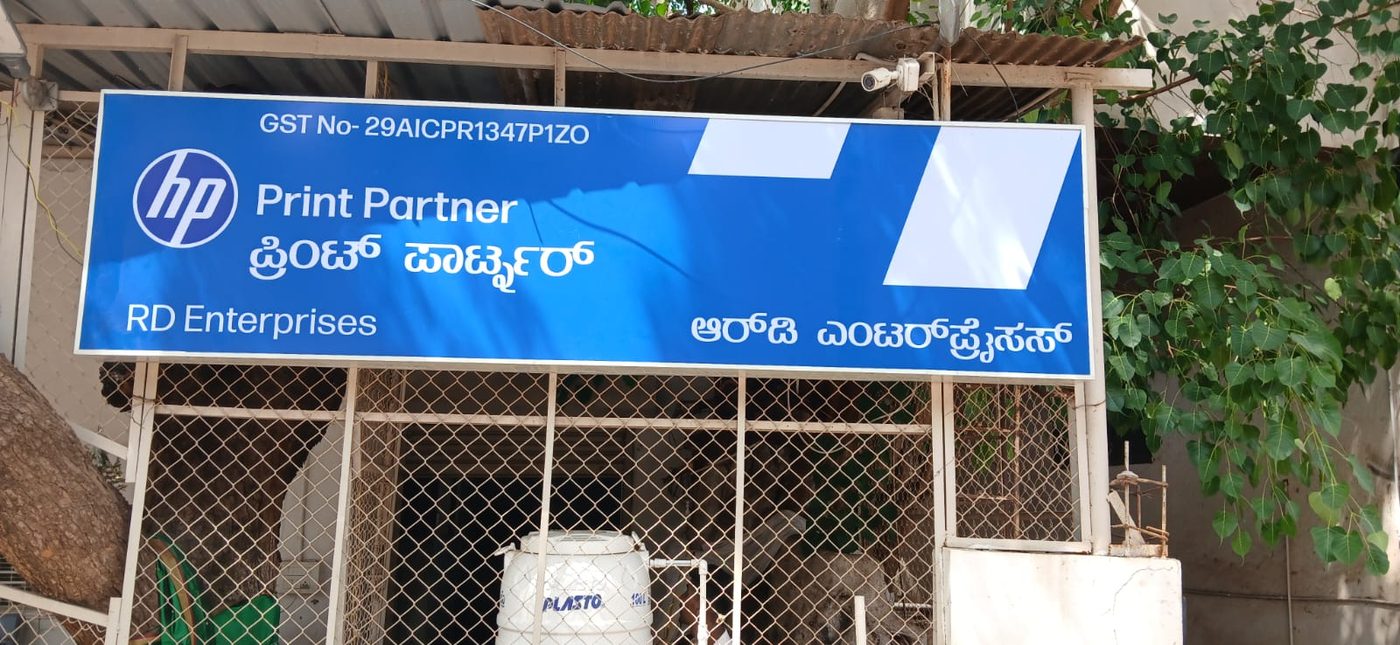
A flexible PVC sheet, the most widely used and economical material for banners, hoardings, and short-to-medium term outdoor signage. Available in front-lit and back-lit (translucent) variants depending on whether the banner will be illuminated from behind.
Vinyl (Self-Adhesive)
A thin, adhesive-backed film used for vehicle wraps, window graphics, wall decals, and as a graphic layer applied over rigid boards like ACP or acrylic. Cast vinyl (more flexible, better for curved surfaces like vehicles) and calendared vinyl (more affordable, better for flat surfaces) are the two main grades.
Canvas
A textured fabric material that gives printed photos and artwork a more premium, gallery-style finish — used for interior décor prints, office branding walls, and photo displays rather than outdoor signage.
Fabric / Tension Fabric
A stretchable polyester fabric used for pop-up backdrops, fabric light boxes, and tension-frame displays — lightweight, easy to fold and transport, and less prone to visible creasing than flex.
Paper-Based Media (Photo Paper, Poster Paper)
Used for indoor posters, exhibition graphics, and short-term point-of-sale material where outdoor durability isn't needed and the priority is print quality and cost.
Backlit Film
A translucent film specifically designed to be evenly lit from behind — used in lightboxes and illuminated signage panels where consistent light diffusion matters more than opacity.
Mesh
A perforated material used for large outdoor banners (especially on scaffolding or building wraps) that lets wind pass through, reducing the risk of the banner tearing or the structure it's mounted on being damaged in strong wind.
Choosing the Right Media
The main questions: is it going indoors or outdoors, does it need to be illuminated, will it be reused or is it single-use, and does it need to conform to a curved or flat surface? Answering these narrows the choice quickly.
For a deeper look at one process, see our eco-solvent printing and HP latex printing pages.
FAQ( 01 )
Flex is a standalone printable sheet typically used for banners and hoardings; vinyl is a thin adhesive film applied onto another surface (a vehicle, window, or rigid board) rather than used on its own.
Flex and cast vinyl with UV-stable inks generally hold up best for extended outdoor use; standard paper-based media is not suitable for outdoor durability at all.
Cast vinyl is the standard choice for vehicle wraps, since it stretches and conforms to curves (wheel arches, mirrors) without cracking the way calendared vinyl can.
Standard canvas is designed for indoor décor use; it's not weatherproof and will degrade if used outdoors.
Illuminated signage where the image needs to be evenly lit from behind — lightboxes, backlit menu boards, and glowing shop signage panels.
Mesh's perforations let wind pass through, which matters a lot on large scaffolding or building-wrap banners where a solid flex sheet could act like a sail in strong wind and cause damage.
Yes — different substrates absorb and reflect ink differently, which is why colour profiles are calibrated per media type rather than using one universal setting across all materials.
Yes, though the file may need re-profiling for accurate colour on each substrate, and some finer design details may need adjusting depending on the material's texture and finish.