Acrylic Signage: Why It's One of the Most Versatile Sign Materials
Acrylic (often called by the brand name Perspex) is one of the most widely used materials in signage — for good reason. It's lightweight, cuts and machines cleanly, takes both print and internal lighting well, and gives a glossier, more premium finish than most alternatives at a comparable cost.
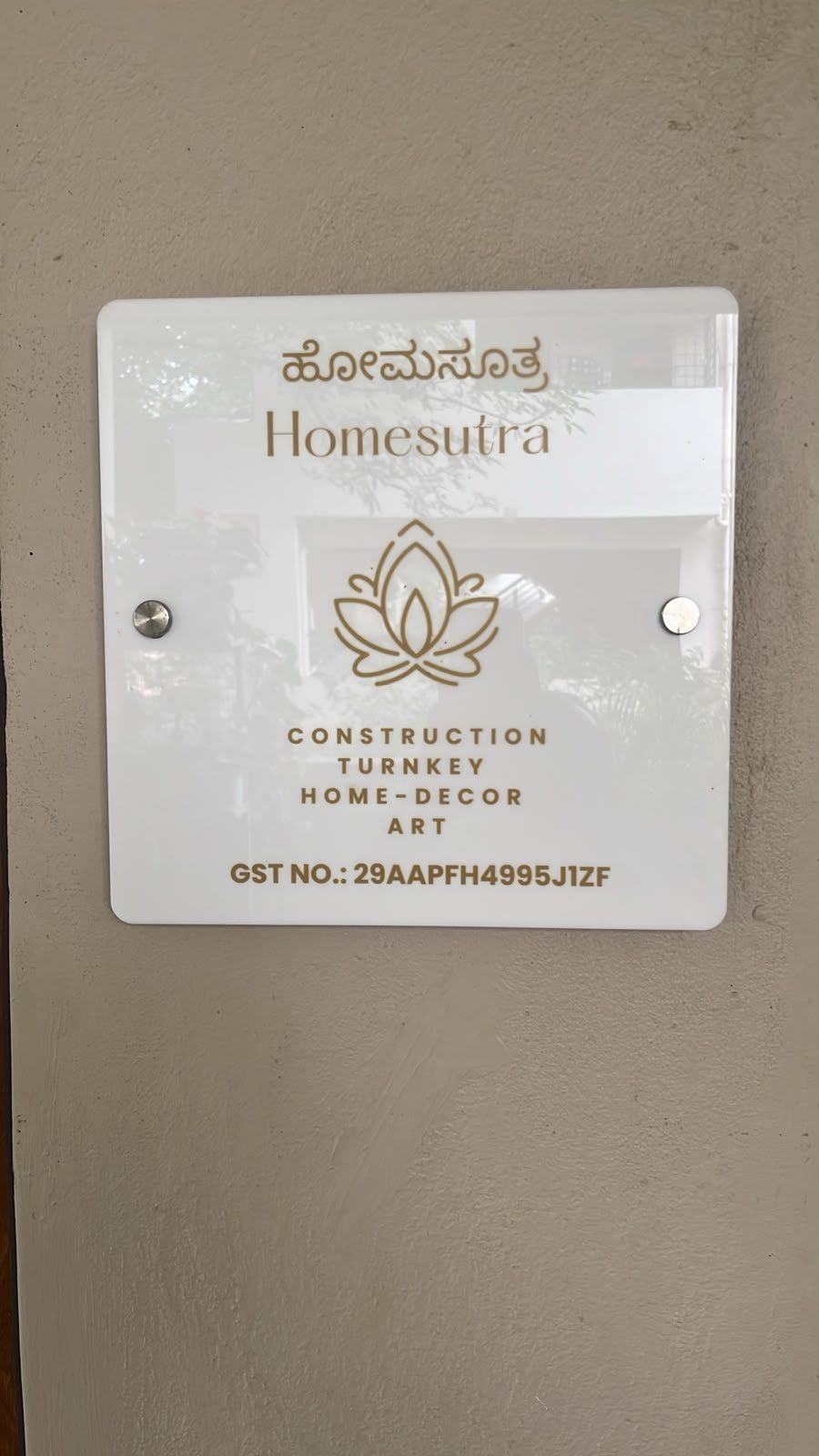
Common Acrylic Signage Formats
- Acrylic sandwich boards — a printed or vinyl-graphic layer sandwiched between two acrylic sheets (see our dedicated guide below) for a glass-like, protected finish.
- Solid acrylic letters — laser or CNC-cut letters, lit or unlit, for reception signage, storefronts, and nameplates.
- Acrylic LED signage — internally lit acrylic panels or letters, popular for glowing shop names and logo displays.
- Acrylic name plates and directories — for offices, apartments, and wayfinding, often paired with etched or printed text.
Why Businesses Choose Acrylic
Acrylic diffuses LED light evenly (which is why it's the default choice for backlit and glow signage), resists yellowing far better than older plastics when a UV-stable grade is used, and can be cut to precise, clean shapes that plain plastic or wood can't match.
Acrylic vs ACP — Which One?
Acrylic generally wins on visual finish and light transmission (for anything that needs to glow); ACP generally wins on outdoor durability and impact resistance for large, unlit exterior boards. Many of our jobs actually combine both — an ACP base board with an acrylic name/logo panel mounted on top.
Indoor vs Outdoor Acrylic
Standard acrylic can discolour with prolonged direct sun exposure; for outdoor signage we recommend UV-stabilised acrylic grades specifically, which cost a bit more but hold their clarity for years longer.
Acrylic also shows up in acrylic sandwich boards, and pairs well with our illuminated signage guide if you want it lit.
FAQ( 01 )
Yes, acrylic itself is fully waterproof — the main outdoor consideration is UV resistance (yellowing) over time, not moisture.
Yes — laser and CNC cutting lets us reproduce almost any logo or lettering shape precisely from a vector file.
Standard cast or extruded acrylic is fairly impact-resistant for signage use, though it's more brittle than ACP or metal and can crack under a hard, direct impact.
Clear acrylic is used when you want visibility through the panel or a glass-like look; frosted acrylic diffuses light more evenly and hides the LED modules behind it, which is why it's common for backlit signs.
Both are options: UV or vinyl print for colour graphics and photos, or laser engraving/etching for a subtler, permanent text and logo look, often on name plates.
Light surface scratches can sometimes be polished out; deeper scratches or cracks usually mean replacing that panel rather than repairing it.
Generally yes, acrylic costs more than PVC foam board, but it looks noticeably more premium and handles lighting better — the right choice depends on budget and how visible/permanent the signage needs to be.
It depends on the sign size and whether it's lit, but 3mm-8mm is typical for smaller panels and lettering, with thicker sheets used for larger, self-supporting boards.