How to Choose the Right Signboard for Your Business:
With so many signboard formats available — 2D, 3D, lit, unlit, ACP, acrylic — the right choice usually comes down to answering a handful of practical questions rather than picking the most impressive-looking option.

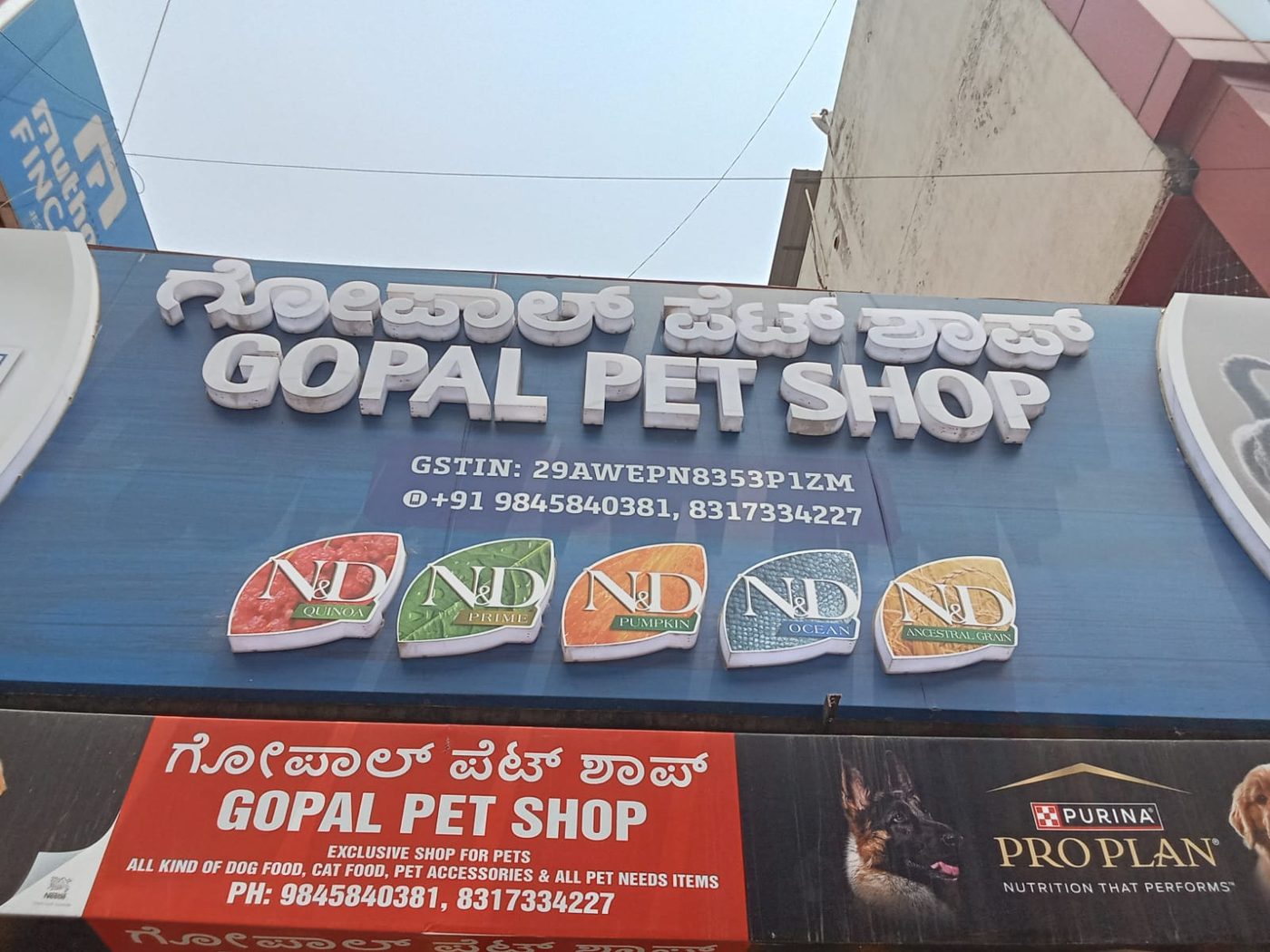
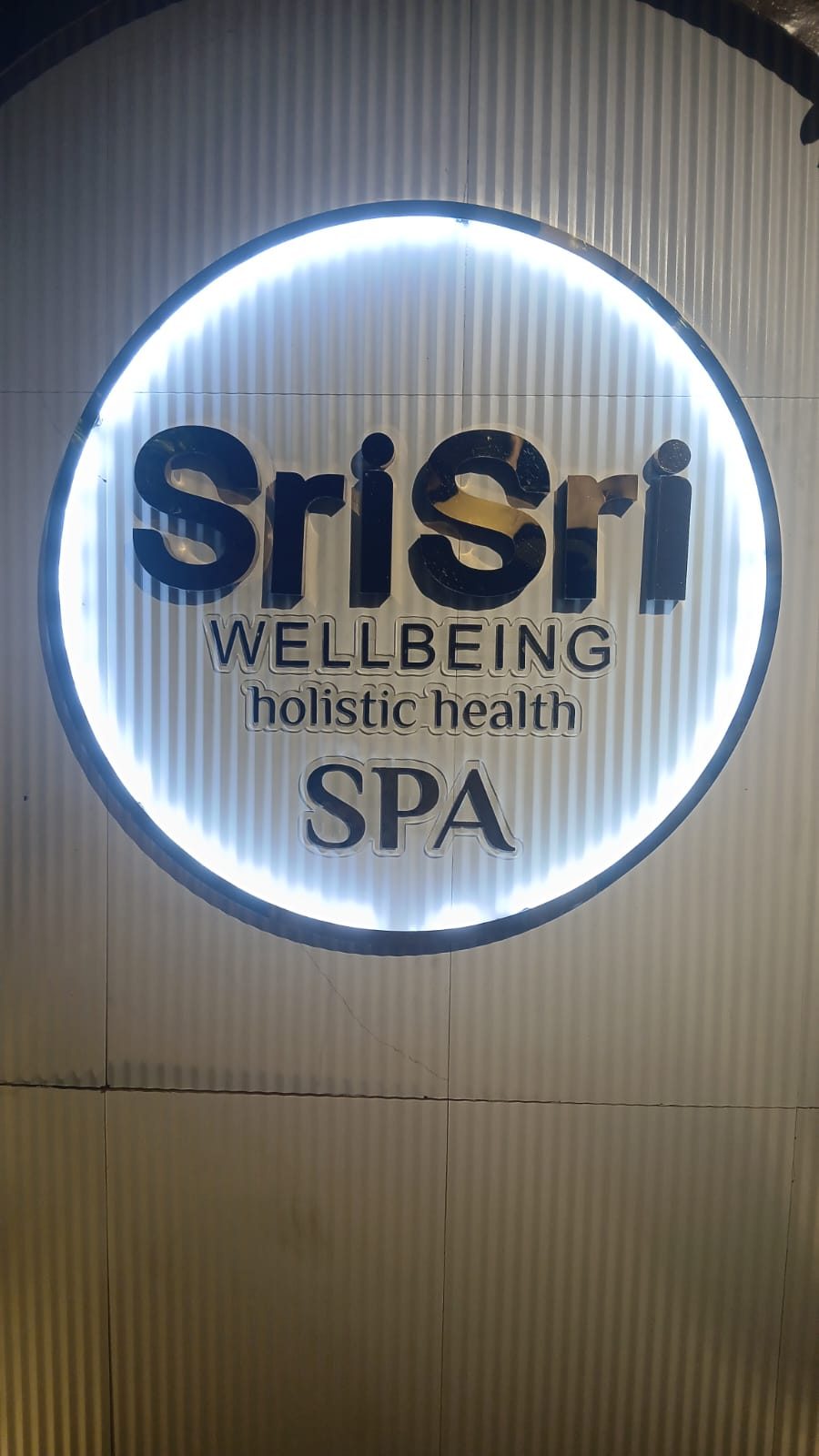
Start With These Questions
- What's the viewing distance? Street-level foot traffic needs different signage than a highway-facing storefront visible from a distance.
- Does it need to work at night? If most of your footfall or brand visibility matters after dark, illuminated signage (channel letters, profile-lit, backlit panels) earns its extra cost quickly.
- What's the budget and expected lifespan? A short-term promotional signboard doesn't need the same investment as a permanent brand identity sign.
- Indoor or outdoor? Outdoor signage needs weather- and UV-resistant materials (ACP, UV-stable acrylic, metal); indoor signage has more flexibility (foam board, standard acrylic, wood).
- What does the building or municipal authority allow? Size, illumination, and mounting rules vary — check before finalising a design that might not be approvable.
A Practical Decision Path
- Tight budget, short-term need: flex/vinyl 2D board.
- Permanent storefront, moderate budget, no night visibility need: ACP or acrylic 2D board, or solid (non-lit) 3D letters.
- Permanent storefront, night visibility matters: channel letters (front-lit for maximum brightness, halo-lit for a premium glow) or a backlit acrylic panel.
- Corporate reception or office branding: solid letters or profile-lit letters, since ambient lighting usually covers night visibility already.
- High-rise or highway-facing brand visibility: sky signage, engineered for scale and distance.
Getting the Details Right
Beyond format, the details that actually determine how good a sign looks and how long it lasts are: getting an accurate site measurement, choosing UV-stable materials for anything outdoors, and matching brand colours precisely (Pantone-matched where the budget allows) rather than approximating them.
Why a Site Visit Matters
Photos and measurements sent over WhatsApp are a good starting point, but an actual site visit catches things that matter — wall material (drilling into ACP cladding is different from brick), sun exposure and shadow direction, existing electrical access for lit signage, and any building or society approval quirks specific to that location.
For cost specifics, see what affects signage and printing costs, or browse signboard manufacturers in Bangalore once you know what you need.
FAQ( 01 )
Not necessarily — a well-designed, appropriately-sized board with clear typography usually reads better and looks more professional than one maximised purely for size.
If your footfall genuinely ends before dark, the case for paying extra for illumination is weaker — the budget is often better spent on materials, size, or a stronger daytime visual design.
Check with your building management, RWA, or landlord first — many commercial complexes have specific signage guidelines (size, colour, illumination) that override general municipal rules.
Yes — and it's usually the simpler path, since design decisions (materials, lighting, mounting) are easier to get right when the same team is responsible for building and installing the result.
For standard 2D or 3D shop signage, a couple of weeks from design approval to installation is typical; larger or lit signage, and anything needing approvals, needs more lead time.
Picking a material or format based purely on cost or on what a neighbouring shop has, without considering viewing distance, lighting needs, or outdoor durability for their specific location.
A logo file is a great starting point, but adapting it correctly for a specific sign format (letter spacing, material thickness, lighting placement) usually benefits from a proper signage-specific layout rather than a direct scale-up of a logo file.
Often yes, especially with 2D boards (new vinyl/print over the same base) — it's worth mentioning if a rebrand is likely in the next few years, since it can influence which base material makes sense now.