2D Signboards: A Complete Guide for Bangalore Businesses
A 2D signboard is the flat, single-plane signage most businesses start with — a printed or fabricated panel mounted flush to a wall or storefront, with no raised lettering or depth. It's the most common, most affordable way to put a shop's name and branding in front of customers, and it remains the right choice for a large share of storefronts even where fancier options exist.
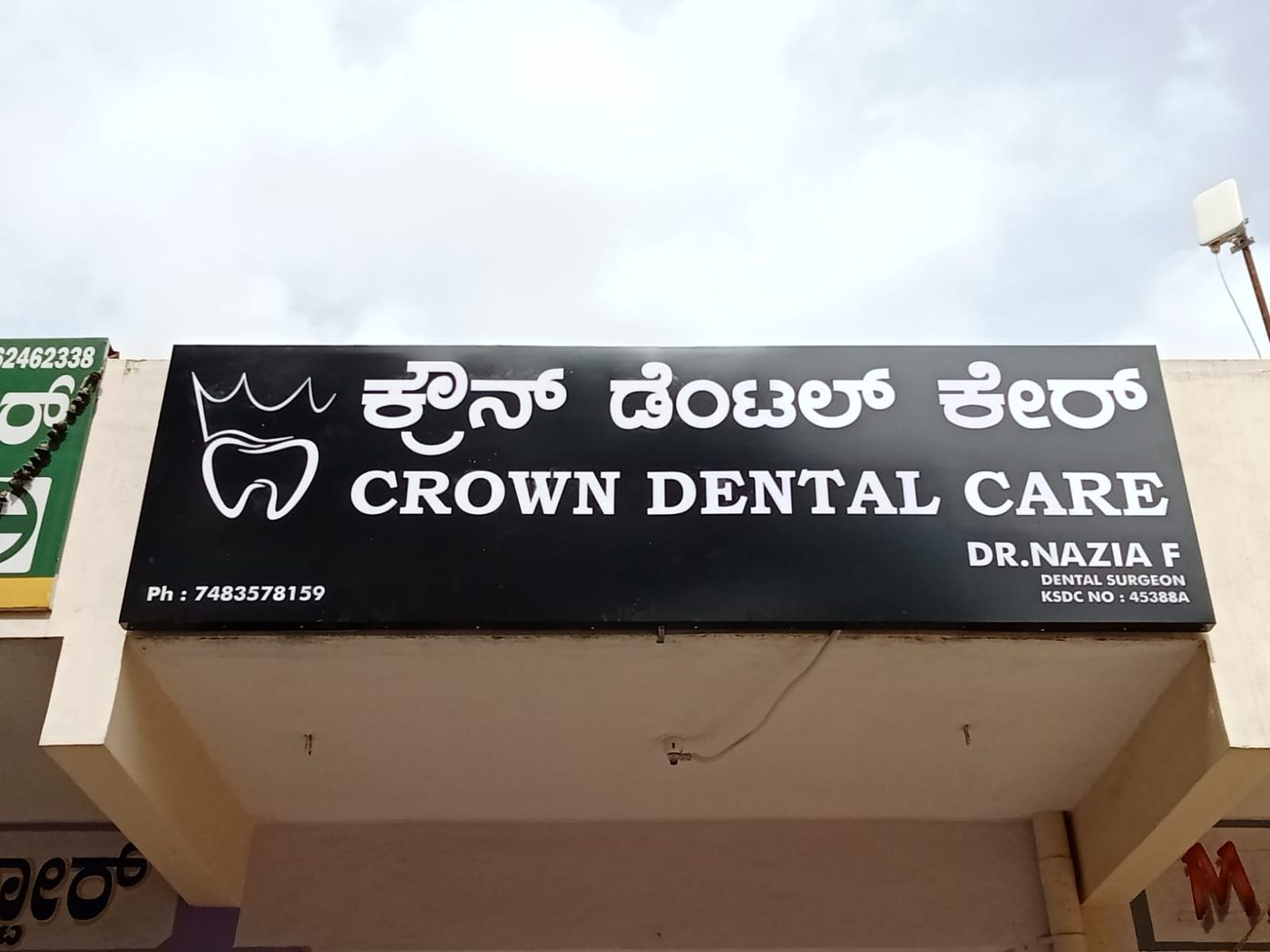
What Makes a Sign "2D"
Unlike 3D signage (raised letters, channel letters, dimensional logos) or profile-lit boards, a 2D sign is essentially a printed or vinyl-cut graphic on a flat substrate — ACP, acrylic, flex, or a composite board — mounted directly to a wall, fascia, or frame. There's no depth to the lettering itself; any illumination usually comes from behind or in front of the whole panel rather than individual letters.
Common Materials Used
- ACP (Aluminium Composite Panel): the most widely used base for 2D boards — rigid, weatherproof, and takes vinyl or direct print well.
- Flex/vinyl on frame: the most budget-friendly option, good for short-to-medium term signage.
- Acrylic sheet: a cleaner, slightly more premium look with better light diffusion if backlit.
- Vinyl-cut or printed graphics applied over any of the above for the actual name, logo, and colours.
Where 2D Signage Works Best
Storefront fascia boards, shop name boards, directional and wayfinding signs, window graphics, and any signage where budget or a shorter usage window matters more than a dimensional, premium look.
When to Consider Something Else Instead
If the goal is maximum visibility after dark or a more upscale, dimensional brand presence, profile-lit letters or 3D acrylic/LED signage usually make a stronger impression — at a higher cost. A 2D sign is the practical, cost-effective baseline; 3D and lit options are the upgrade.
See how a ACP board compares to acrylic, or read our full guide to choosing a signboard before you order.
FAQ( 01 )
Not quite — a flex banner is a specific printed material stretched on a frame, while "2D signboard" refers to the whole category of flat, non-dimensional signage, which can be made from ACP, acrylic, or flex.
A well-fabricated ACP board with UV-stable print or vinyl typically holds up for several years outdoors in Bangalore's climate, though direct monsoon and sun exposure will affect vinyl graphics sooner than the panel itself.
Yes — a flat panel can be backlit (with the panel acting as a diffuser) or front-lit with external spotlights; it just won't have the per-letter glow of profile-lit or channel-letter signage.
There's no single standard — it depends on the shop frontage and municipal signage rules, but most small retail units in Bangalore run boards between 3x2 ft and 10x3 ft. We measure the actual frontage before quoting.
ACP is tougher and more weather-resistant for exteriors; acrylic gives a glossier, more premium finish and is often preferred indoors or when backlighting is planned.
Larger or illuminated signage in Bangalore may need BBMP approval depending on size and location; we can advise on this during the site visit, though the final approval is the shop owner's responsibility.
It depends on size, material, and finish — get in touch with your dimensions and we'll quote directly rather than guessing at a number that may not apply to your job.
Often yes — if the underlying board (ACP or acrylic) is still structurally sound, we can re-skin it with new graphics rather than fabricating a fresh board, which saves cost.