3D Signage: Raised Letters, Channel Letters & When to Use Them
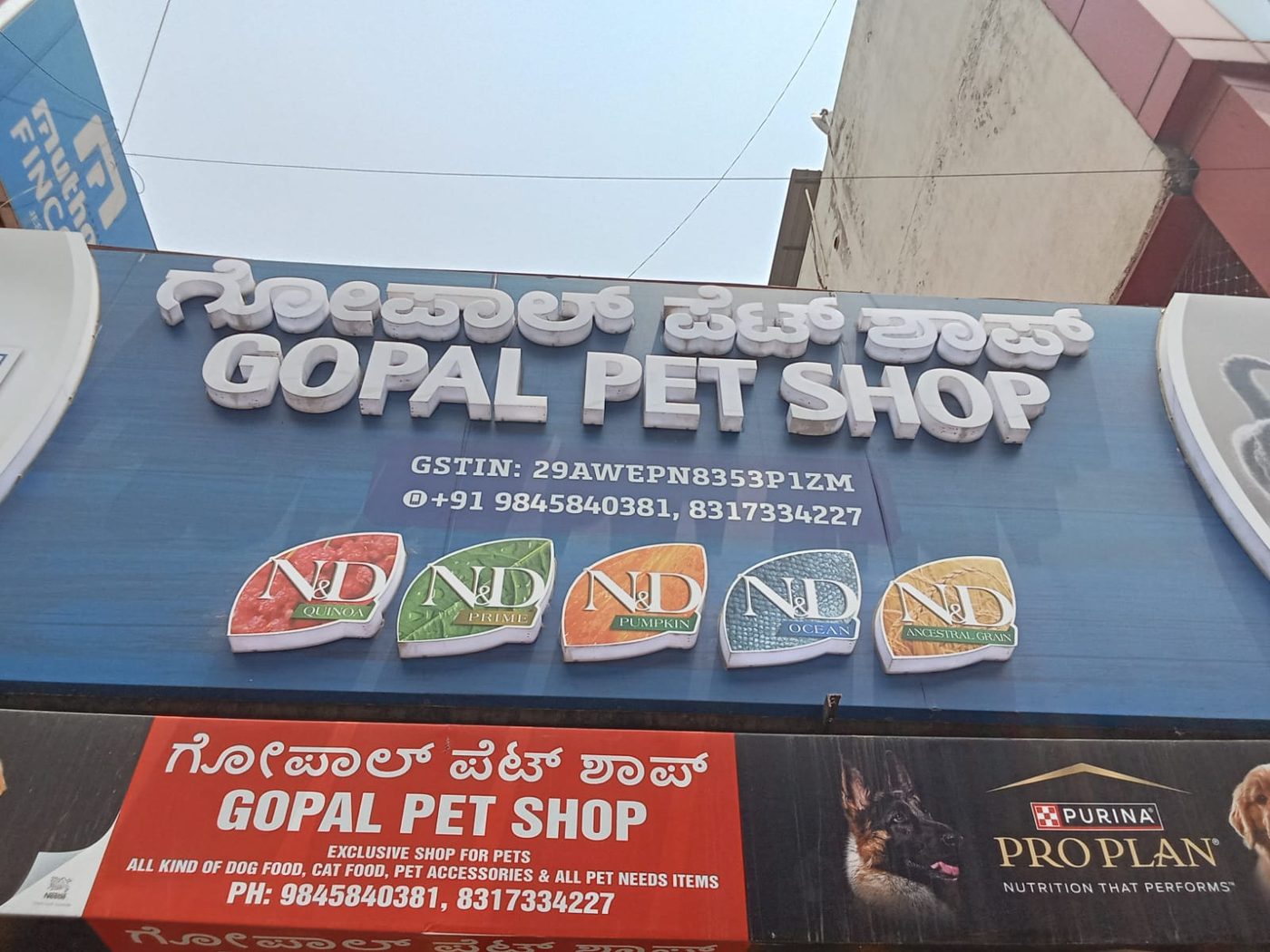
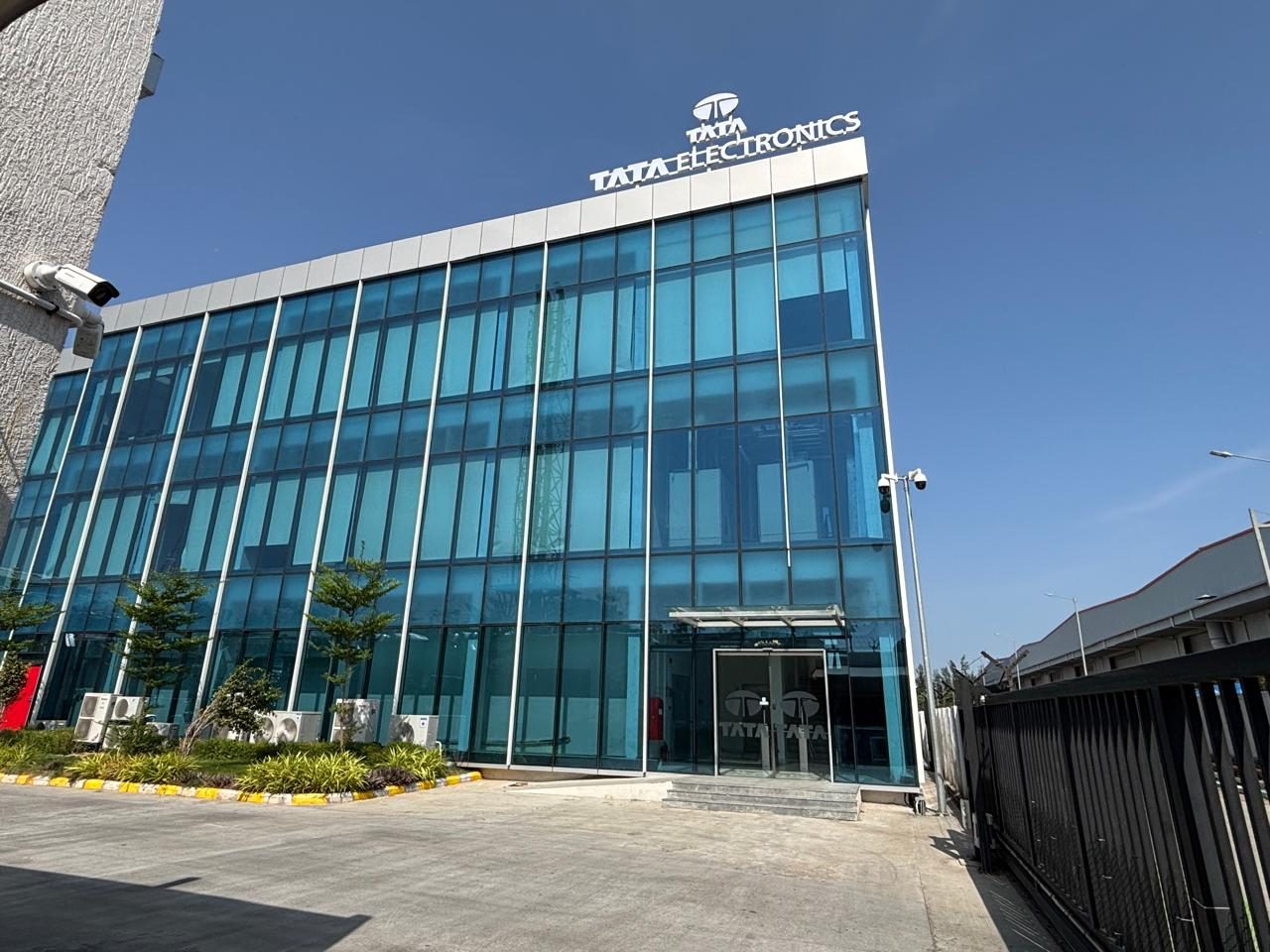
3D signage covers any sign where the lettering or logo has physical depth — it stands proud of the wall rather than sitting flush like a printed panel. It reads as more premium and is far more visible from a distance and at night, which is why most established brands eventually move from a flat 2D board to a 3D one.
The Main Types of 3D Signage
- Solid (non-lit) letters: cut from acrylic, PVC, or metal, mounted with a spacer so they cast a shadow — no lighting, lower cost, still dimensional.
- Channel letters: fabricated letter "boxes" with LEDs inside, either front-lit (the face glows), halo/back-lit (a glow appears around the letter from behind), or both.
- Acrylic LED letters: a lighter, often more affordable version of channel letters using acrylic faces with internal LED modules.
Front-Lit vs Halo-Lit — the Real Difference
Front-lit channel letters glow directly from the letter face and are the more traditional, higher-visibility choice for reading a name at a distance. Halo-lit letters are backlit so the light spills out around the letter's edge onto the wall behind it — a softer, more modern look that's easier to read up close but less effective as a long-distance attention-grabber. Some brands run both together (front + halo) for maximum impact, at extra cost.
Materials Used in 3D Signage
Acrylic (for the letter face, especially when lit), aluminium or galvanized steel (for the letter returns/sides in outdoor channel letters), and PVC or high-density foam board (for lighter-weight solid letters, usually indoors).
Choosing Between 2D and 3D
If budget is tight or the signage is temporary, 2D is the sensible choice. If the sign needs to work at night, from a distance, or needs to signal a more established, premium brand, 3D — even just solid non-lit letters — is worth the extra cost.
If flat signage suits your budget better, see our 2D signboard guide, or compare with profile-lit letters.
FAQ( 01 )
Generally yes, since it involves individual letter fabrication rather than one flat panel — but a small, non-lit acrylic letter set can still be quite affordable compared to full LED channel letters.
Only if they're lit (channel letters, LED acrylic letters). Solid, non-lit letters need no wiring at all.
Metal (aluminium/steel) channel-letter returns generally handle Bangalore's sun and monsoon better long-term, though a good UV-stable acrylic face also holds up well for years.
Yes, with the right mounting hardware — glass-mounted logo letters and suspended letters from a ceiling grid are both common for reception and lobby signage.
Channel letters are individual illuminated letter shapes; a lightbox is one continuous illuminated panel with a printed or cut graphic on the face — different look and construction entirely.
It depends on size and letter count, but most jobs run a few days to a couple of weeks from design approval to installation — we'll give a firm timeline once the design is finalised.
Yes — this is called dual-lit or front-and-halo-lit, and it's available on channel letters, just at a higher cost than either alone.
LED components in lit letters are generally low-maintenance for years, but periodic checks of wiring and weatherproofing are worth doing on outdoor installations, especially after monsoon season.